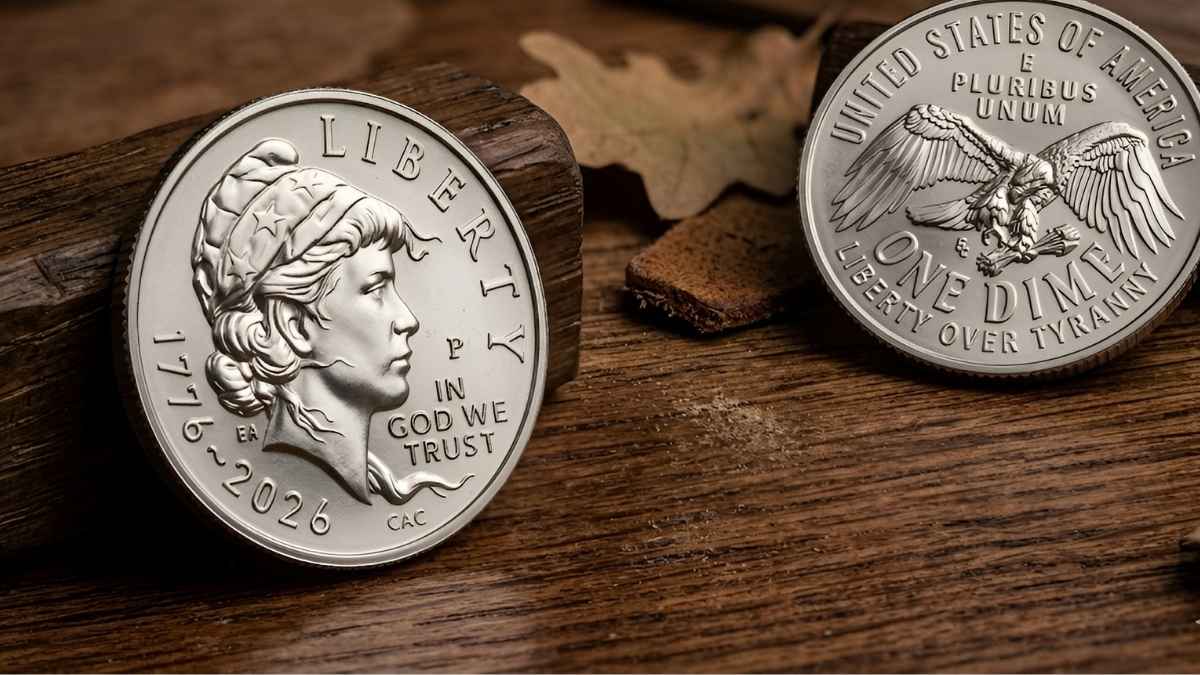
U.S. Mint produces 2.66 billion coins first half 2026: The United States Mint has released its official production figures for the first half of 2026, reporting a total of 2.66 billion coins struck. This number represents a decline compared to previous years, highlighting shifts in demand, circulation needs, and broader economic conditions. The report provides insight into how coin production is adapting to changing consumer behavior and financial trends.
Breakdown of production
The 2.66 billion coins produced include a mix of denominations such as pennies, nickels, dimes, quarters, and dollar coins. Historically, pennies and quarters have accounted for the largest share of production, and this trend continued in 2026. However, overall volumes were lower, reflecting reduced demand for physical currency in daily transactions.

Decline compared to previous years
The decline in coin production is notable when compared to earlier periods. In 2025, the Mint produced a higher volume, driven by strong demand for circulating coins. The 2026 figures suggest that fewer coins are needed to meet the requirements of banks and businesses, pointing to a gradual shift away from cash transactions.
Factors influencing the decline
Several factors have contributed to the reduction in coin output:
- Increased use of digital payment systems and mobile wallets.
- Greater reliance on credit and debit cards for everyday purchases.
- Ongoing efforts by businesses to reduce cash handling costs.
- Economic conditions that influence consumer spending patterns.
Together, these elements have reduced the need for new coins entering circulation.
Impact on circulation
While coin production has declined, circulation remains stable due to the large number of coins already in use. The Mint continues to monitor demand closely, ensuring that banks and businesses receive adequate supplies. The reduced output reflects efficiency rather than shortages, as existing coins remain sufficient to meet consumer needs.

Role of the U.S. Mint
The U.S. Mint plays a critical role in producing coins for commerce, as well as collectible and commemorative issues. Its responsibility extends beyond meeting circulation needs to preserving national heritage through coin design. Even with lower production volumes, the Mint maintains its reputation for quality and reliability.
Collector perspective
For collectors, the decline in circulating coin production may increase interest in limited mintages. Lower volumes can create scarcity, making certain issues more appealing. The Mint’s commemorative programs continue to attract attention, offering coins that celebrate history, culture, and national milestones.
Outlook for the remainder of 2026
Analysts suggest that coin production may remain subdued for the rest of the year unless economic conditions change significantly. The ongoing shift toward digital payments is expected to continue, reducing reliance on physical currency. However, coins will remain an essential part of commerce, particularly in areas where cash transactions are still common.
Conclusion
The U.S. Mint’s production of 2.66 billion coins in the first half of 2026 reflects a decline in overall output, driven by changing consumer habits and economic trends. While fewer coins are being struck, circulation remains stable, and the Mint continues to fulfill its role in supporting commerce and preserving heritage. This development underscores the evolving relationship between physical currency and digital payments in the modern economy.