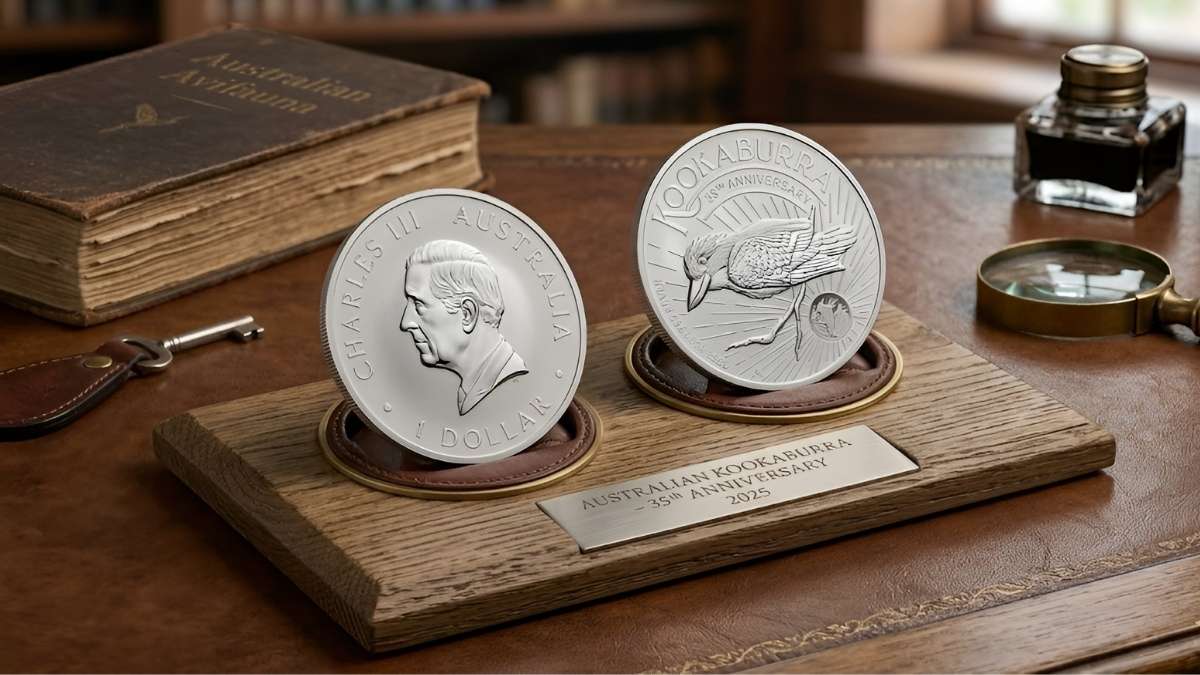
Perth Mint bullion sales decline June and first half 2026: The Perth Mint has released its official report for June 2026 and the first half of the year, revealing a notable decline in bullion sales. Both gold and silver demand fell compared to previous periods, reflecting broader market trends and shifting investor sentiment. This development has sparked discussions among analysts, collectors, and investors about the future of precious metals in a changing global economy.
Gold sales performance
Gold bullion sales in June 2026 were significantly lower than in the same month of the previous year. The first half of 2026 also showed a downward trajectory, with total volumes falling compared to the strong demand seen in 2025. Analysts point to factors such as fluctuating global interest rates, a stronger U.S. dollar, and reduced safe-haven buying as key contributors to the decline.
Silver sales performance
Silver bullion sales mirrored the trend seen in gold, with June 2026 recording weaker figures. The first half of the year also showed a contraction in demand compared to earlier periods. While silver often benefits from industrial demand, slower global manufacturing activity and reduced investor appetite contributed to the decline.
Market factors influencing demand
Several factors have influenced the drop in bullion sales:
- Rising interest rates in major economies, making fixed-income investments more attractive.
- Strengthening of the U.S. dollar, which typically pressures precious metal prices.
- Reduced geopolitical tensions compared to previous years, lowering safe-haven demand.
- Shifts in investor focus toward equities and emerging technologies.
These dynamics have collectively weighed on gold and silver demand, impacting sales at the Perth Mint.
Comparison with previous years
The decline in 2026 contrasts with the strong performance seen in 2020 through 2022, when global uncertainty drove investors toward precious metals. The moderation in demand highlights how quickly market conditions can change. While bullion remains a long-term store of value, short-term fluctuations are heavily influenced by macroeconomic trends.

Impact on investors
For investors, the decline in sales may signal opportunities as well as challenges. Lower demand can lead to more competitive pricing, potentially benefiting buyers who view precious metals as a hedge against inflation or currency risk. However, reduced momentum may also discourage speculative investors seeking quick gains.
Perth Mint’s role in the global market
The Perth Mint remains one of the world’s leading producers of bullion, with a reputation for quality and craftsmanship. Despite the decline in sales, the Mint continues to play a vital role in supplying gold and silver to both domestic and international markets. Its products are widely recognized and trusted, ensuring ongoing relevance even in periods of weaker demand.
Outlook for the remainder of 2026
Looking ahead, analysts suggest that bullion demand could stabilize if economic uncertainty resurfaces. Factors such as inflationary pressures, geopolitical risks, or shifts in monetary policy may reignite interest in gold and silver. The second half of 2026 will be closely watched to see whether demand recovers or continues to soften.
Conclusion
The Perth Mint’s report for June and the first half of 2026 highlights a clear decline in bullion sales, reflecting broader market trends and changing investor priorities. While gold and silver remain important assets for diversification and wealth preservation, their demand is subject to global economic conditions. The Mint’s reputation ensures it will continue to be a key player in the precious metals market, even as sales fluctuate.