Rare Coin Discovery: The Lincoln penny has been a cornerstone of American coinage since 1909, when it was first introduced to honor the centennial of Abraham Lincoln’s birth. Designed by Victor David Brenner, the coin quickly became iconic for its portrait of Lincoln on the obverse. Over the decades, the penny has undergone changes in composition and design, yet it remains one of the most widely recognized coins in circulation.
The 1988-D Mint Mark
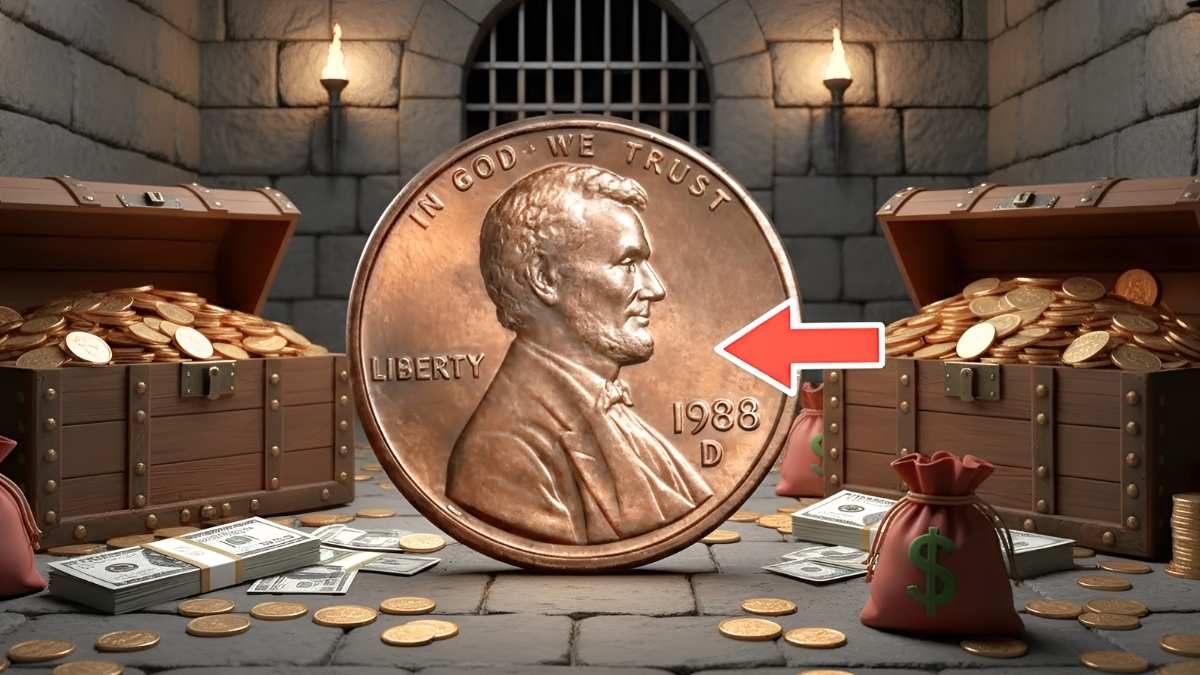
The 1988-D Lincoln penny was minted in Denver, as indicated by the “D” mint mark. While millions of these coins were produced, certain varieties and conditions make them stand out. Collectors often look for minting errors, unusual die varieties, or coins preserved in exceptional condition. These factors can elevate a seemingly ordinary penny into a prized collectible.
Why the 1988-D Penny Matters
At first glance, the 1988-D penny may appear to be just another coin from the late twentieth century. However, some examples have gained attention due to unique characteristics. Certain varieties display doubled dies or transitional features that make them rare. For collectors, these anomalies are not just curiosities but valuable pieces of numismatic history. The penny’s significance lies in its ability to surprise even seasoned enthusiasts.
Value in Circulation and Collecting
Most 1988-D pennies found in circulation hold only their face value. Yet when preserved in mint state condition or discovered with rare errors, their value can increase dramatically. Coins graded by professional services often fetch higher prices, especially when they exhibit sharp details and minimal wear. Some rare varieties have been known to sell for hundreds or even thousands of dollars, depending on demand and rarity.
The Role of Minting Errors
Minting errors are a major factor in the value of the 1988-D penny. Errors such as doubled dies, off-center strikes, or unusual compositions can transform a common coin into a collector’s treasure. These mistakes occur during the minting process and are often caught before coins enter circulation. However, when they slip through, they create opportunities for collectors to uncover hidden gems.
Historical Context of the Late 1980s
The late 1980s were a period of transition for U.S. coinage. Advances in minting technology were improving consistency, yet errors still occurred. The 1988-D penny reflects this era, combining modern production methods with the occasional quirks that make coin collecting so fascinating. For historians and collectors alike, the coin serves as a snapshot of the time.

Collectors’ Enthusiasm
Stories of rare 1988-D pennies discovered in everyday settings have fueled excitement among collectors. The idea that a valuable coin could be hiding in pocket change or a jar of old pennies adds an element of adventure to the hobby. Collectors often share these discoveries in forums and clubs, inspiring others to take a closer look at their own coins.
Tips for Identifying Valuable Pennies
For those interested in searching for rare 1988-D pennies, careful observation is key. Look for unusual details in the design, such as doubling in the lettering or Lincoln’s portrait. Examine the coin’s condition, as well-preserved examples are always more desirable. Consulting professional grading services or experienced collectors can provide guidance and confirmation of a coin’s rarity.
The Broader Impact on Coin Collecting
The fascination with the 1988-D penny highlights the broader appeal of coin collecting. It demonstrates how even the most ordinary objects can hold extraordinary value. This story encourages both seasoned collectors and newcomers to pay closer attention to the coins they encounter. It reinforces the idea that history and value can be found in unexpected places.
Conclusion
The 1988-D Lincoln penny is more than just a piece of currency. It represents history, craftsmanship, and the thrill of discovery. While most examples remain common, rare varieties and minting errors have elevated some to remarkable value. For collectors, the penny serves as a reminder that treasures can be found in the smallest of places. Its story continues to inspire curiosity and appreciation, ensuring that the Lincoln penny remains a beloved part of American numismatic heritage.