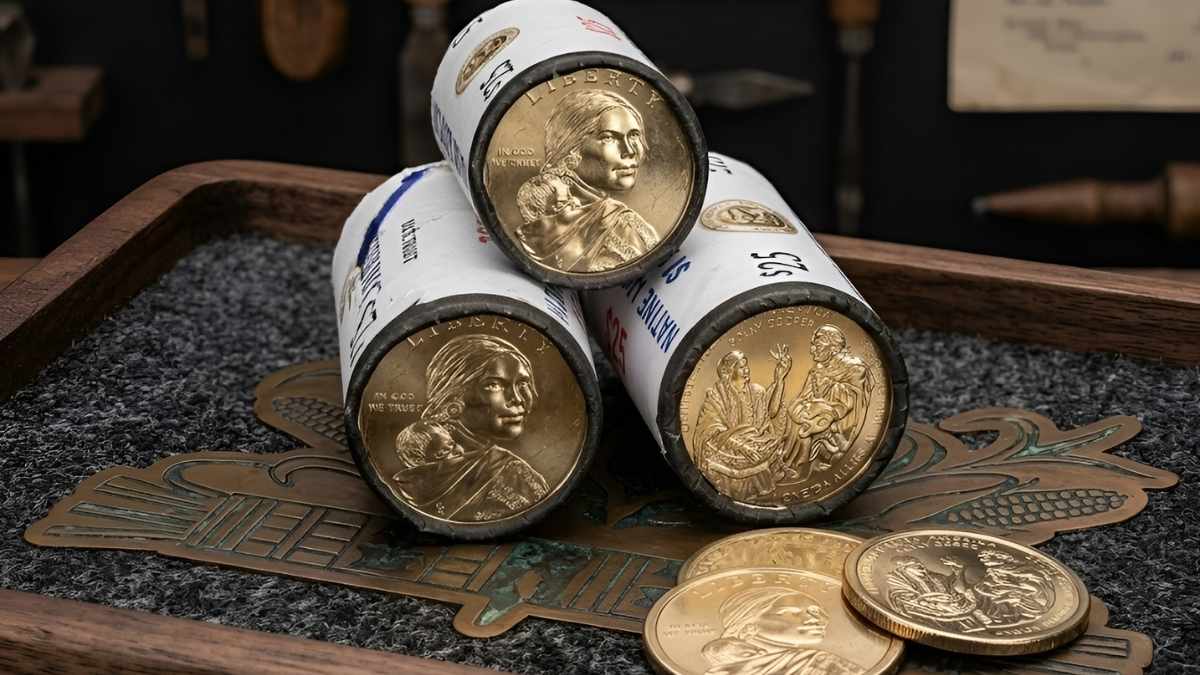
U.S. Mint 2026: In the first half of 2026, the United States Mint reported a significant drop in coin production, with output falling to 2.66 billion coins. This decline marks one of the lowest midyear totals in recent history, reflecting shifts in demand, production strategies, and broader economic conditions. For collectors and numismatists, the reduced output has sparked discussions about its potential impact on the market.
Factors Behind Reduced Output
Several factors contributed to the decline in coin production. Changing consumer habits, such as increased reliance on digital payments, have reduced the demand for physical currency. Additionally, production costs and resource allocation within the Mint may have influenced the decision to scale back output. These elements combined to create a noticeable reduction compared to previous years.

Impact on Circulation
The drop in production affects the availability of coins in circulation. While everyday transactions may not immediately feel the impact due to existing supplies, the long-term trend suggests a gradual shift away from heavy reliance on physical currency. This transition highlights the evolving role of coins in modern commerce.
Collectors Market Trends
For collectors, reduced production often translates into heightened interest in specific issues. Limited mintages can increase the rarity and perceived value of coins, making them more desirable in the numismatic community. The 2026 production figures may lead to certain coins becoming key items for future collections, driving demand and influencing market prices.

Historic Perspective
Historically, fluctuations in coin production have mirrored broader economic and social changes. Periods of reduced output often coincide with shifts in consumer behavior or technological advancements. The 2026 decline fits into this narrative, reflecting the ongoing transformation of financial systems and the role of physical currency within them.
Technology and Modernization
The Mint continues to modernize its operations, balancing traditional coinage with new priorities. Investments in digital platforms and collectible programs demonstrate a commitment to engaging with both everyday users and numismatists. The reduced output in 2026 may represent a strategic adjustment rather than a long-term contraction.

Community Response
Collectors and market analysts have responded with keen interest to the 2026 figures. Discussions focus on which coins may gain prominence due to lower mintages and how the trend might shape future collecting strategies. The numismatic community views these developments as opportunities to reassess the value and significance of modern coinage.
Future Outlook
Looking ahead, the trajectory of coin production will depend on economic conditions, consumer behavior, and Mint priorities. While reduced output may continue, the Mint’s role in producing collectible and commemorative coins ensures ongoing engagement with numismatists. Collectors can expect evolving trends that blend tradition with innovation.

Conclusion
The U.S. Mint’s 2026 midyear report of 2.66 billion coins produced highlights a significant decline in output, reflecting broader changes in currency use and production strategies. For collectors, this reduction signals potential opportunities in rarity and value, while for the public it underscores the gradual shift toward digital transactions. The event marks an important chapter in the evolving story of American coinage and its place in both commerce and culture.