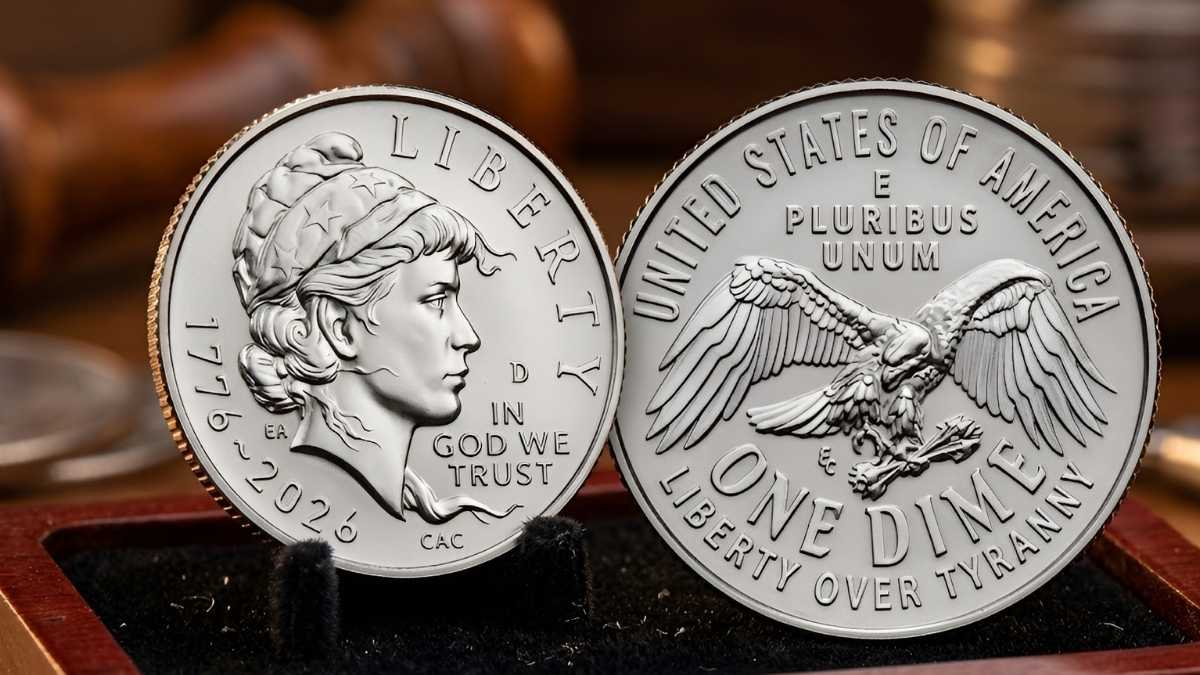
U.S. Mint output falls 2026: In the first half of 2026, the U.S. Mint reported a significant decline in coin production, with output dropping to 2.66 billion pieces. This reduction marks one of the lowest levels in recent years and has sparked discussions among collectors, economists, and market analysts about the broader implications for circulation and numismatic trends.
Factors Behind the Decline
Several factors contributed to the decrease in production. Shifts in consumer behavior toward digital payments have reduced demand for physical currency. Rising production costs, including raw materials and labor, also played a role. Additionally, strategic adjustments by the Mint to balance supply with actual market needs influenced the lower output.

Impact on Circulation
The decline in coin production directly affects circulation across the country. Retailers and banks may experience tighter supplies of certain denominations, particularly quarters and pennies, which are most commonly used in everyday transactions. While digital payments continue to grow, coins remain essential for small purchases and cash-based communities.
Collectors’ Perspective
For coin collectors, reduced production often translates into increased rarity and potential value. Limited mintages can make certain coins more desirable, especially if they feature unique designs or commemorative issues. Collectors are closely monitoring the 2026 output to identify which coins may become future highlights in numismatic collections.

Market Trends and Investment
The numismatic market tends to respond quickly to changes in production levels. Lower output can drive demand among investors seeking rare pieces, while also influencing pricing trends. Auction houses and dealers anticipate heightened interest in 2026 coins, particularly those with limited circulation numbers.
Technological Shifts in Currency Use
The decline in coin production also reflects broader technological shifts. With mobile payments, contactless cards, and digital wallets becoming mainstream, reliance on physical coins continues to diminish. This transition raises questions about the long-term role of coins in the U.S. economy and whether production will continue to decline in future years.

Historical Context
Historically, coin production has fluctuated based on economic conditions, consumer demand, and government policy. The 2026 decline fits into a broader trend of reduced reliance on cash. Comparisons with previous decades highlight how technological innovation and changing consumer habits reshape the Mint’s strategies.
Future Outlook
Looking ahead, analysts expect coin production to remain lower than historical averages. The Mint may focus more on commemorative issues and collector-oriented releases rather than mass circulation. This shift could redefine the balance between functional currency and collectible items in the years to come.

Key Takeaways for Stakeholders
- Coin production fell to 2.66 billion pieces in the first half of 2026
- Circulation may tighten for common denominations
- Collectors anticipate increased rarity and value for certain coins
- Market trends point to heightened demand in auctions and private sales
- Digital payment adoption continues to reduce reliance on coins
Conclusion
The U.S. Mint’s reduced output in 2026 underscores the evolving role of coins in both circulation and collecting. While digital payments reshape everyday transactions, coins retain cultural and historical significance. For collectors and investors, the decline in production presents new opportunities, while for society at large, it signals a continued shift toward a digital-first economy.