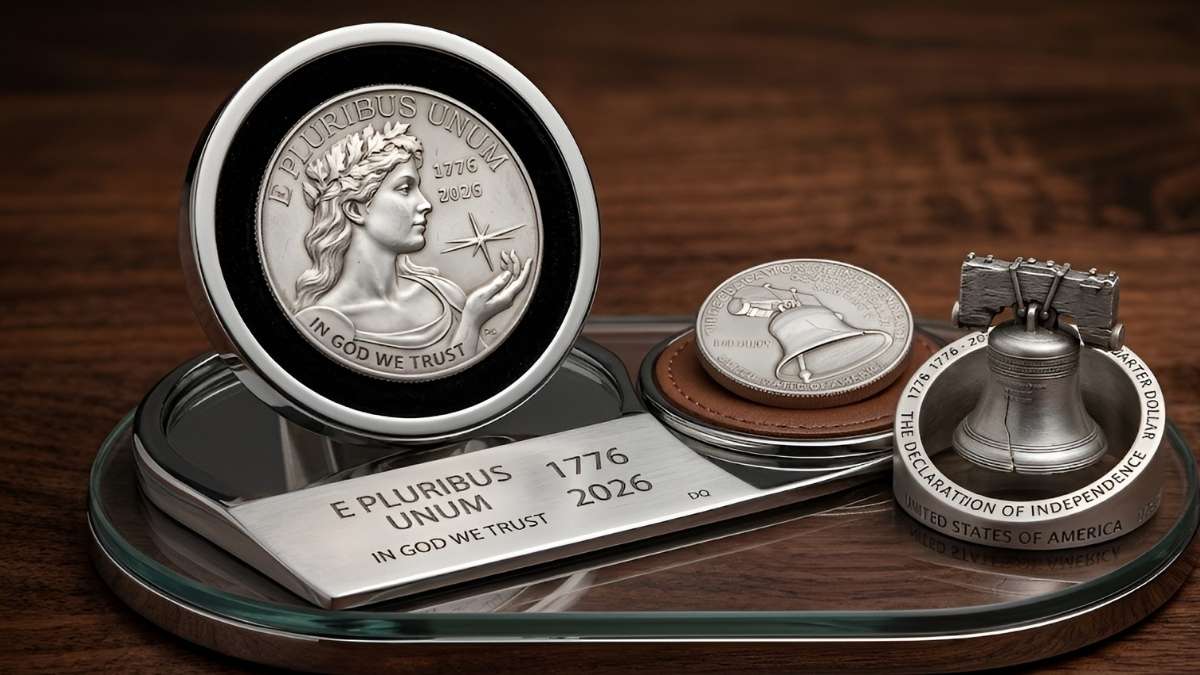
U.S. Mint 2026 Abolitionism Quarter: The U.S. Mint’s 2026 commemorative coin program carries special weight as the nation celebrates its semiquincentennial, marking 250 years since independence. Among the designs recommended for this milestone is the Abolitionism Quarter, a coin that pays tribute to the struggle against slavery and the enduring fight for freedom. This design is not only a piece of currency but also a symbol of history, artistry and honor.
Historical Context
Abolitionism was one of the most transformative movements in American history. It challenged the institution of slavery and laid the foundation for civil rights progress. By dedicating a quarter to abolitionism in 2026, the Mint acknowledges the sacrifices of activists, writers and leaders who fought tirelessly for justice. This coin serves as a reminder of the nation’s journey toward equality and the unfinished work that continues today.

Artistic Vision
The artistry of the Abolitionism Quarter reflects both reverence and inspiration. Designers sought to capture the spirit of courage and resilience through imagery that resonates with modern audiences. Figures representing abolitionist leaders, symbolic chains breaking apart and motifs of liberty are among the elements considered. The coin’s design balances historical authenticity with contemporary aesthetics, ensuring that it speaks to both collectors and everyday citizens.
Symbolism in Design
Symbolism is central to the Abolitionism Quarter. Broken chains represent liberation, while rays of light symbolize hope and progress. Inscriptions highlight the ideals of freedom and justice, reinforcing the message that abolitionism was not only about ending slavery but also about affirming human dignity. These symbols ensure that the coin tells a story that transcends generations.
National Pride
Commemorative coins embody national pride, and the Abolitionism Quarter is no exception. It honors those who fought for freedom and reminds citizens of the values that define the United States. Holding this coin is more than a financial transaction; it is a connection to the nation’s moral compass and its ongoing pursuit of justice.
Collectors and Enthusiasts
Collectors eagerly anticipate the release of the Abolitionism Quarter. Its historical significance and limited mintage make it a valuable addition to any collection. Enthusiasts appreciate not only the rarity but also the depth of meaning embedded in the design. For many, this coin will become a centerpiece that reflects both artistry and heritage.

Educational Value
Beyond its role as currency, the Abolitionism Quarter serves as an educational tool. It encourages citizens to learn about the abolitionist movement, its leaders and its impact on American society. Schools and museums can use the coin to spark discussions about history, equality and civic responsibility. In this way, the coin becomes a bridge between past struggles and present aspirations.
Legacy of the Mint
The U.S. Mint has a long tradition of producing coins that honor national milestones. The Abolitionism Quarter continues this legacy by combining historical themes with artistic excellence. It reinforces the Mint’s role as a guardian of heritage and a promoter of national identity. Each coin reflects the institution’s commitment to craftsmanship and storytelling.
Conclusion
The U.S. Mint’s 2026 Abolitionism Quarter is more than a commemorative design; it is a tribute to history, artistry and honor. By recognizing the abolitionist movement during the nation’s 250th anniversary, the Mint ensures that the values of freedom and justice remain visible in everyday life. This coin stands as a symbol of resilience and progress, offering citizens and collectors alike a chance to hold a piece of America’s moral legacy in their hands. As the nation reflects on its past and looks toward its future, the Abolitionism Quarter will remain an enduring reminder of the fight for liberty and equality.