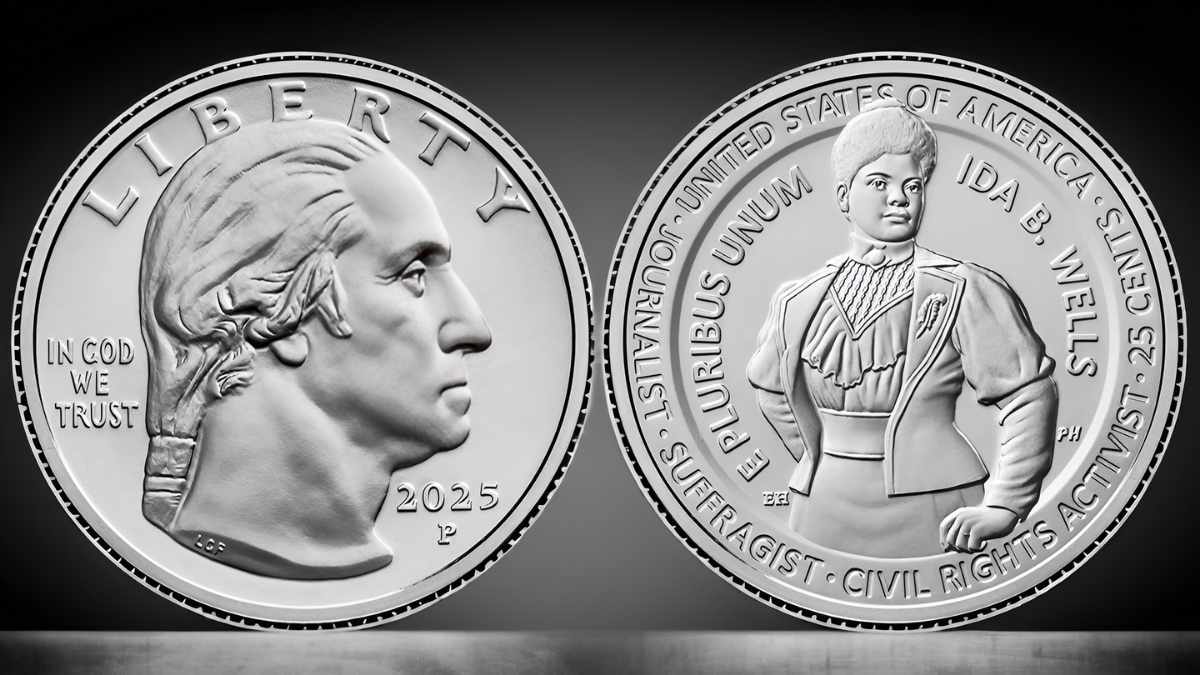
US Mint Production: The United States Mint reported striking 657.95 million coins in May 2026, reflecting the ongoing demand for circulating currency across the nation. This figure highlights the scale of production required to meet everyday transactional needs and underscores the Mint’s role in sustaining the country’s financial infrastructure.
Pennies dominate production
One of the most notable aspects of the report is that pennies accounted for nearly one third of the total coins struck. Despite ongoing debates about the cost effectiveness of producing the one cent coin, its continued prevalence in circulation demonstrates its enduring role in commerce. The sheer volume of pennies produced illustrates the Mint’s commitment to meeting public demand.

Meeting circulation needs
The Mint’s production numbers are driven by the requirements of banks, businesses, and consumers. Coins are essential for small transactions, vending machines, and cash based commerce. By striking hundreds of millions of coins each month, the Mint ensures that the supply remains steady and that shortages are avoided.
Historical context
The May 2026 figures align with long term trends in coin production, where pennies and nickels often dominate output. However, fluctuations occur depending on economic conditions, consumer behavior, and technological changes such as the rise of digital payments. The Mint’s ability to adapt to these shifts is crucial for maintaining efficiency and relevance.
Economic implications
Producing coins at such scale has both economic and social implications. On one hand, it supports commerce by ensuring liquidity in small denominations. On the other, it raises questions about cost efficiency, particularly with pennies, which often cost more to produce than their face value. Policymakers continue to debate whether adjustments to coinage policy are necessary.
Collector interest
While most of the coins struck are intended for everyday use, production reports also attract attention from collectors. Variations in mint marks, production totals, and design changes can influence numismatic interest. The May 2026 report provides insight into circulation trends that may later become points of historical or collector significance.

Looking ahead
The Mint will continue to monitor demand and adjust production accordingly. Future reports will reveal whether the dominance of pennies persists or if shifts in consumer behavior lead to changes in output. As digital transactions grow, the role of physical currency may evolve, but for now, coin production remains a cornerstone of the financial system.
Conclusion
The US Mint’s production of 657.95 million coins in May 2026, with pennies making up one third of the total, reflects the ongoing importance of coinage in everyday commerce. These figures highlight both the practical necessity of circulating currency and the broader economic questions surrounding its production. As the Mint continues to balance tradition, efficiency, and demand, its monthly reports remain a vital window into the nation’s monetary landscape.