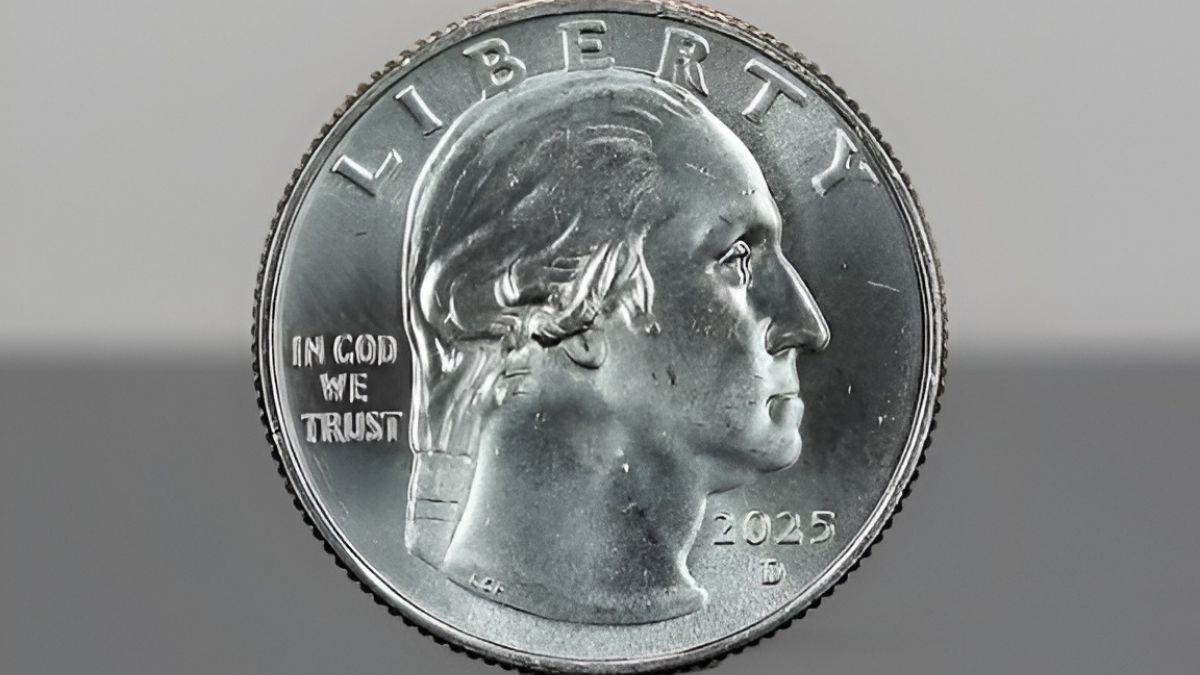
US Mint Sees April Coin Production Fall: The United States Mint reported a noticeable decline in coin production during April 2026. This slowdown came after several months of strong activity earlier in the year. April’s figures showed fewer coins struck compared to March, reflecting a temporary dip in output. Such fluctuations are not unusual, as production levels often respond to shifts in demand from banks and businesses.
Strong Growth in the First Half of 2026
Despite the April slowdown, the broader picture for 2026 remains positive. The first six months of the year have demonstrated robust growth in coin production. The Mint has consistently maintained higher output compared to the same period in 2025, signaling strong demand for circulating coinage. This growth highlights the resilience of the Mint’s operations and its ability to meet the needs of the economy.

Factors Driving Coin Demand
Several factors contribute to the demand for coins in circulation. Retail transactions, vending operations, and cash-based businesses continue to rely heavily on coins. Seasonal variations, such as increased consumer spending during holidays, also influence production levels. Additionally, the Mint adjusts its output to ensure adequate supplies of each denomination, balancing production between pennies, nickels, dimes, and quarters.
Historical Context of Coin Production
Coin production in the United States has always reflected broader economic trends. Periods of expansion often see higher demand for coins, while recessions can reduce circulation needs. In recent years, the rise of digital payments has altered the landscape, but coins remain essential for many everyday transactions. The Mint’s ability to adapt to these changes ensures stability in the nation’s currency system.
Implications for Collectors and Economists
For coin collectors, shifts in production levels can create opportunities. Lower mintages in certain months may lead to coins that are scarcer in circulation, adding interest for numismatists. Economists, on the other hand, view coin production as a small but telling indicator of consumer behavior and cash usage trends. The April decline, while temporary, offers insight into the ebb and flow of demand.
Outlook for the Rest of 2026
Looking ahead, the Mint is expected to continue balancing production to meet national needs. While April’s dip may raise questions, the strong performance in the first half of the year suggests that overall output will remain healthy. If consumer spending continues to rise, coin demand will likely stay strong, supporting steady production levels through the remainder of 2026.

Conclusion
The United States Mint’s April 2026 decline in coin production is best understood as a short-term adjustment rather than a long-term trend. With the first half of the year showing robust growth, the Mint remains well-positioned to supply the nation’s coinage needs. Both collectors and economists will continue to watch these figures closely, as they provide valuable insights into the intersection of currency, commerce, and consumer behavior.