
Florida 2026: In 2026, Florida announced a major update to its tax regulations concerning bullion and coins. The state has expanded its exemption by removing the previous $500 minimum purchase requirement. This change is expected to benefit both collectors and investors, making precious metals and numismatic items more accessible and financially attractive.
Understanding the Previous Rule
Before this reform, Florida’s tax exemption applied only to purchases of bullion and coins valued at $500 or more. Smaller transactions were subject to sales tax, which limited the appeal for casual collectors and those making incremental investments. The threshold created barriers for individuals who wanted to enter the market without committing to larger purchases.
The New Exemption
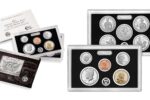
By eliminating the $500 minimum, Florida now allows all bullion and coin purchases to be exempt from sales tax, regardless of value. This adjustment simplifies the process and ensures that every transaction, whether small or large, receives the same tax benefit. It is a move designed to encourage broader participation in the precious metals market.
Impact on Collectors
For collectors, the removal of the minimum threshold is a welcome change. Many enthusiasts prefer to acquire coins gradually, focusing on specific pieces rather than large purchases. The exemption means that even modest acquisitions are now more affordable, fostering growth in the numismatic community and supporting hobbyists at all levels.
Impact on Investors
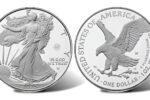
Investors also stand to gain from the new rule. Precious metals are often used as a hedge against inflation and economic uncertainty. By removing the tax burden on smaller purchases, Florida has made it easier for individuals to diversify their portfolios. This could lead to increased demand for bullion and coins as investment assets.
Government Objectives
The state government’s goal with this reform is to stimulate economic activity and attract more participants to the bullion and coin market. By creating a more favorable environment for collectors and investors, Florida aims to strengthen its reputation as a hub for precious metals trading and numismatics.

Public Reaction
The announcement has been met with enthusiasm among collectors, dealers, and investors. Many see it as a progressive step that aligns with the growing interest in alternative investments. Critics, however, caution that the exemption could reduce state revenue, though supporters argue that increased market activity will offset potential losses.
National and International Context
Florida’s decision reflects a broader trend in which governments are adjusting tax policies to support niche markets and alternative investments. Similar exemptions exist in other states and countries, positioning Florida competitively within the global bullion and coin trading landscape.
Potential Economic Effects
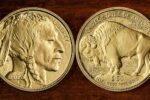
The expanded exemption is expected to boost sales of bullion and coins, benefiting local dealers and increasing overall market activity. It may also attract new businesses and events related to numismatics and precious metals, further strengthening Florida’s economy. The long-term effects will depend on how collectors and investors respond to the new opportunities.
Conclusion: A Win for Collectors and Investors
Florida’s 2026 decision to expand the bullion and coin tax exemption by removing the $500 minimum represents a significant step forward for the market. By making all purchases tax-free, the state has created a more inclusive environment for collectors and investors. The reform underscores Florida’s commitment to supporting economic growth while fostering enthusiasm for numismatics and precious metals trading.