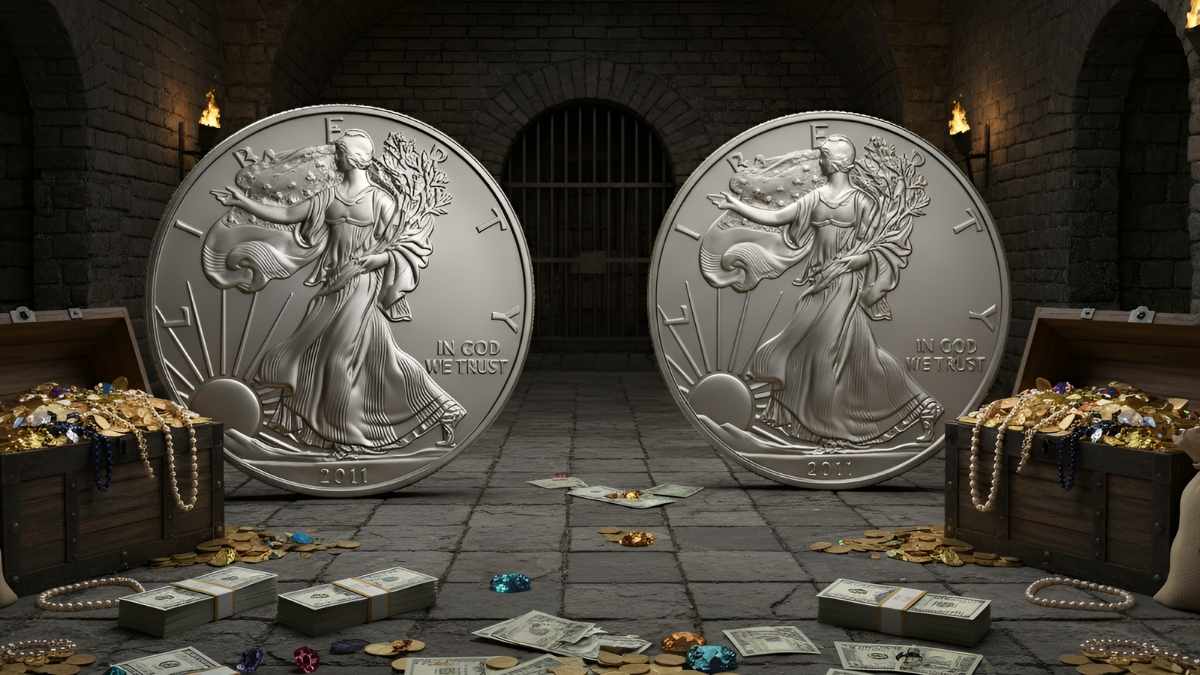
U.S. Mint Pricing Review 2026: The year 2026 has proven to be a landmark in the world of numismatics. Record highs in silver prices have reshaped the landscape of coin collecting, altering values across both modern and historical issues. The U.S. Mint, responding to market pressures, has adjusted pricing strategies for commemorative and bullion coins, creating ripple effects that extend to collectors, investors, and rare coin markets worldwide.
Silver’s Role in Coin Values
Silver has always been a cornerstone of coinage, both for its intrinsic value and its historical significance. As silver prices surged to record levels in 2026, coins with high silver content, such as pre‑1965 U.S. quarters, dimes, and half dollars, experienced dramatic increases in value. Collectors who once viewed these coins primarily as historical artifacts now see them as investment assets tied directly to precious metal markets.
U.S. Mint Pricing Adjustments
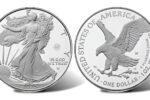
The U.S. Mint has had to recalibrate its pricing models for bullion and commemorative issues. Proof sets, silver eagles, and anniversary coins now reflect higher production costs and market demand. While this ensures sustainability for the Mint, it also challenges collectors who must weigh affordability against long‑term value.
Impact on Rare Coin Markets
Rare coin markets have responded dynamically to silver’s rise. Coins that combine rarity with silver content, such as the 1964 Kennedy half dollar or early Washington quarters, have seen significant appreciation. Auction houses report heightened interest in high‑grade examples, with bidding wars driving prices well beyond previous estimates.
Historical Price Trends
Looking back, silver’s influence on coin values has been cyclical. Periods of high silver prices, such as the late 1970s and early 2010s, created spikes in coin values. The 2026 surge, however, is notable for its sustained impact, reshaping collector strategies and reinforcing the link between numismatics and precious metals investment.
Global Market Effects
The rise in silver prices has not only affected U.S. coins but also global markets. Collectors in Europe and Asia are seeing similar trends, with silver‑based coinage appreciating rapidly. International auctions highlight the interconnectedness of coin markets, where U.S. Mint pricing adjustments influence global valuations.

Everyday Change with Hidden Value
For casual collectors, the silver surge has added excitement to everyday coin hunting. Discovering pre‑1965 silver coins in circulation or inherited collections can now represent significant value. What was once pocket change has become a hidden fortune in some cases.
Tips for Collectors
Collectors navigating the 2026 market should pay close attention to silver content, mint marks, and condition. Proper storage is essential to preserve value, as tarnish and wear can diminish a coin’s worth. Consulting grading services and reputable dealers can help identify valuable varieties and ensure authenticity.
Market Trends in 2026
Auction houses, online marketplaces, and coin shows report record participation in 2026. Younger collectors are increasingly drawn to silver coins, viewing them as both historical artifacts and investment opportunities. This trend ensures continued demand and appreciation in value.
Conclusion
The U.S. Mint’s pricing review in 2026 reflects a broader transformation in numismatics driven by record silver highs. Rare coins, bullion issues, and commemorative releases are all impacted, creating opportunities and challenges for collectors worldwide. For enthusiasts, the surge underscores the enduring connection between coin collecting and precious metals, proving that even everyday change can hold extraordinary treasures.